The Allure of Chance
The thrill of uncertainty is one of the most compelling elements driving individuals to casinos. Humans have an inherent attraction to risk and reward, which fuels the excitement of gambling. This attraction can be attributed to what psychologists refer to as intermittent reinforcement, where the unpredictability of winning keeps players engaged. Each spin of the slot machine or hand of blackjack creates a rush, eliciting a rollercoaster of emotions that players find addictive. For those who prefer convenience, the option of online casino uk fast withdrawal adds an extra layer of appeal, making it easier for them to dive back into the action. As they experience the highs of victory and the lows of loss, the quest for that elusive jackpot can quickly turn into an obsession, drawing them back time and time again.
The environment of casinos further amplifies this psychological phenomenon. With bright lights, upbeat music, and an atmosphere curated for excitement, players often find it hard to resist the temptation to engage. These sensory elements are strategically designed to create feelings of euphoria, keeping gamers focused on the possibility of hitting a jackpot. The bustling environment can lead to social reinforcement as well, as players share in each other’s wins and losses. This communal aspect of gaming broadens the experience, making it feel more like a shared journey rather than an isolated activity. The combination of these factors creates a compelling atmosphere where the allure of chance becomes almost irresistible.
Additionally, some individuals may turn to gambling as an escape from daily stressors or personal issues. The immersive nature of casino gaming serves as a distraction, allowing players to step into a world where their problems are temporarily forgotten. This escapism can make the experience even more enticing, as it provides a short-lived sense of control and agency amidst a chaotic life. Over time, this behavior can lead to habitual gaming, where the casino becomes a refuge rather than just a venue for entertainment. The blend of excitement and distraction can create a powerful cocktail that keeps players coming back, often at the expense of their broader responsibilities.
The Role of Self-Control
Self-control, or the lack thereof, plays a significant role in shaping a person’s gaming habits. Cognitive factors such as impulse control and delay discounting lead some individuals to gamble well beyond their means. When players experience a win, it can encourage them to believe that larger stakes will yield greater rewards, leading to reckless gambling behaviors. Conversely, those with higher levels of self-discipline are often able to set limits and adhere to them, recognizing the danger of chasing losses. This tension between impulse and restraint can create a complex dynamic that influences long-term gaming habits.
Cognitive biases, such as the illusion of control, also contribute to the patterns of gambling habits. Players often believe that they can influence the outcome of games through strategies or techniques, despite the inherent randomness of casino games. This belief can lead to an inflated sense of confidence, causing individuals to take risks they would otherwise avoid. For instance, a player may convince themselves that a series of losses will be followed by a win, encouraging continued play and financial investment. Such cognitive distortions can serve to deepen their attachment to gambling, making it harder to break free from the cycle of risk and reward.
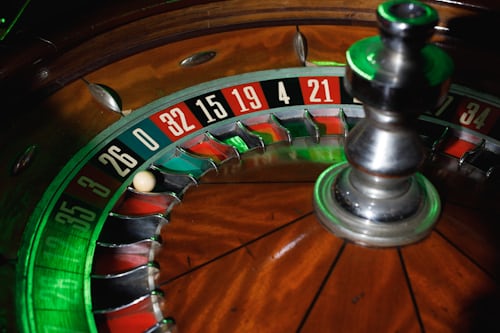
For many, the struggle with self-control in a casino setting can lead to a cycle of regret and denial. Players may feel an initial rush of excitement followed by guilt or shame after significant losses. However, those emotions can easily fade in the face of the next gaming session, creating a vicious cycle where the individual continuously seeks redemption. The urge to recover lost funds can cloud judgment, leading to impulsive decisions and deeper involvement in gambling activities. Over time, this cycle can escalate, resulting in financial difficulties and emotional distress, further complicating the individual’s relationship with gambling.
The Social Dynamics of Gambling
The social aspect of casino gaming significantly influences players’ habits. Casinos often serve as social hubs where individuals gather to interact, share experiences, and enjoy a sense of community. This pressure can encourage individuals to participate in gaming beyond their comfort levels, driven by the desire to fit in or impress friends. The group dynamic can lead players to make decisions they might not consider when gambling alone, often leading to increased spending and risk-taking that can spiral out of control.
Friends and family can also impact an individual’s gambling behaviors, as positive reinforcement from peers can glorify frequent visits to casinos. The celebrated wins and shared experiences can create a culture of gambling that normalizes excessive play. For example, a player may begin attending casinos more often after witnessing their friends’ successes, leading them to believe that they, too, can achieve similar results despite the statistical odds against them. This social validation can create a sense of camaraderie that blurs the lines of responsible gaming, making it difficult for individuals to assess their own behaviors critically.
Furthermore, the role of social media and online communities cannot be overlooked. Many users share their gambling experiences online, highlighting wins and lavish lifestyles that can create unrealistic expectations. This portrayal often glamorizes casino culture, encouraging others to dive into gaming with the hope of attaining similar success. The intertwining of social validation and gambling habits creates a compelling loop that can further entrench individuals in their routines, making it harder for them to step back and assess their gaming behaviors objectively. As social connections deepen, so too does the potential for problematic gambling patterns to emerge.
The Influence of Marketing and Branding
Casino operators employ various marketing strategies to attract and retain players, utilizing psychological principles to influence gaming habits. From loyalty programs to enticing advertisements, the goal is to create a sense of urgency and need for players. These marketing tactics often emphasize rewards and bonuses that promise more than the typical gaming experience, making it difficult for individuals to resist participating. The framing of promotions can also invoke FOMO, or fear of missing out, prompting players to act quickly, sometimes against their financial interests. This constant barrage of marketing messages can make it challenging for individuals to maintain a rational perspective on their gaming activities.

The branding of casinos plays a crucial role in establishing player loyalty. Many venues emphasize their unique offerings, whether through themed gaming areas or celebrity endorsements. This branding appeals to specific demographics, drawing in players who identify with those themes or the allure of exclusivity. For instance, a luxury casino may attract high rollers seeking an elite experience, while budget-friendly venues may appeal to casual gamers. The psychology behind branding extends beyond mere aesthetics; it creates affiliations that impact gaming preferences and spending habits. These affiliations can lead to a sense of belonging, further entrenching players in their gaming habits.
In addition, the use of technology in modern casinos enhances the overall experience and affects gaming habits. The advent of mobile apps, online gaming, and interactive experiences presents new avenues for players to engage with games. Continuous engagement through these channels can lead to increased spending and time spent in gaming environments. The convenience and accessibility of these options break down geographical limitations, making it easier for individuals to indulge in their gaming habits, often without the social pressures of physical locations. As technology continues to evolve, the landscape of casino gaming and its psychological implications will undoubtedly shift, requiring continuous adaptation from both players and operators.
The Insights of Responsible Gaming
Understanding the psychology behind casino gaming habits highlights the importance of responsible gambling practices. Many casinos and organizations promote initiatives that focus on awareness and education about gaming behaviors. By providing resources and support, the goal is to empower players to make informed decisions regarding their gaming activities. Initiatives often include self-assessment tools, setting spending limits, and access to counseling services for those who may be struggling. This proactive approach can help mitigate the risks associated with gambling and encourage healthier habits.
Moreover, raising awareness about the psychological triggers of gambling can help individuals recognize unhealthy patterns in their gaming habits. Education on cognitive biases, emotional triggers, and the social dynamics of gambling equips players with knowledge that can help mitigate impulsive behaviors. Encouraging open discussions about gaming-related issues can also foster an environment where players feel comfortable seeking help if needed. This shift towards transparency and support can create a culture where responsible gaming is not only encouraged but celebrated.
Additionally, gaming establishments increasingly focus on creating a responsible gaming culture within their venues. By implementing policies that promote transparency and safety, these organizations can contribute to a healthier gaming environment. Initiatives such as clearly displayed responsible gaming signs, staff training to identify at-risk players, and community programs help ease the tension surrounding gambling, allowing individuals to enjoy their experience without succumbing to negative consequences. By prioritizing responsible practices, both players and casinos can work together to create a more sustainable gaming ecosystem.