The Concept of Luck in Gambling
Luck plays a pivotal role in the gambling world, often serving as the unseen hand guiding players through their experiences. It is the unpredictable element that can lead to significant wins or devastating losses in games that are inherently built on chance. Whether it’s rolling dice, dealing cards, or spinning a roulette wheel, luck is at the heart of these activities. Many gamblers believe that their fortunes can shift at any moment, and they often turn to platforms like 1win to enhance their chances of hitting that next lucky break.
However, luck is not just a fleeting notion; it is a complex psychological phenomenon that influences how people approach gambling. Gamblers frequently attribute their wins to good luck and their losses to bad luck, which can create a cycle of behavior that impacts their overall strategy. This mindset can lead to emotional highs and lows, making it essential for players to recognize the effect that luck has on their decision-making processes. Ultimately, understanding luck is crucial for managing expectations and developing a balanced approach to gambling.
Moreover, people often seek ways to enhance their luck, whether through rituals, charms, or specific practices that they believe can influence their outcomes. Some players might carry lucky tokens or follow superstitious routines each time they gamble. While these actions do not change the odds or the mechanics of the games themselves, they can affect a player’s mindset and confidence. This psychological boost may contribute to a more positive approach to risk-taking and decision-making while gambling.
The Role of Probability in Gambling
While luck is essential, understanding probability is equally important when it comes to gambling. Every game has defined odds that determine the likelihood of different outcomes. For example, in games like blackjack or poker, players must consider not only their own cards but also the potential hands of their opponents. This mathematical aspect of gambling is where knowledge, strategy, and skill converge, allowing informed decisions to be made. Players who understand the probabilities are more likely to develop strategies that can mitigate luck’s influence on their success.
In contrast, games purely based on luck, such as slot machines or roulette, shift the focus entirely onto chance. These games are designed to operate on random number generators or other mechanisms that ensure fairness but also emphasize luck’s significance. In this context, the idea of “hot” and “cold” streaks often arises, as players attempt to identify patterns that aren’t statistically sound but can feel very real in the heat of the moment. This can lead to an overestimation of personal influence over luck in these games, which can be detrimental in the long run.
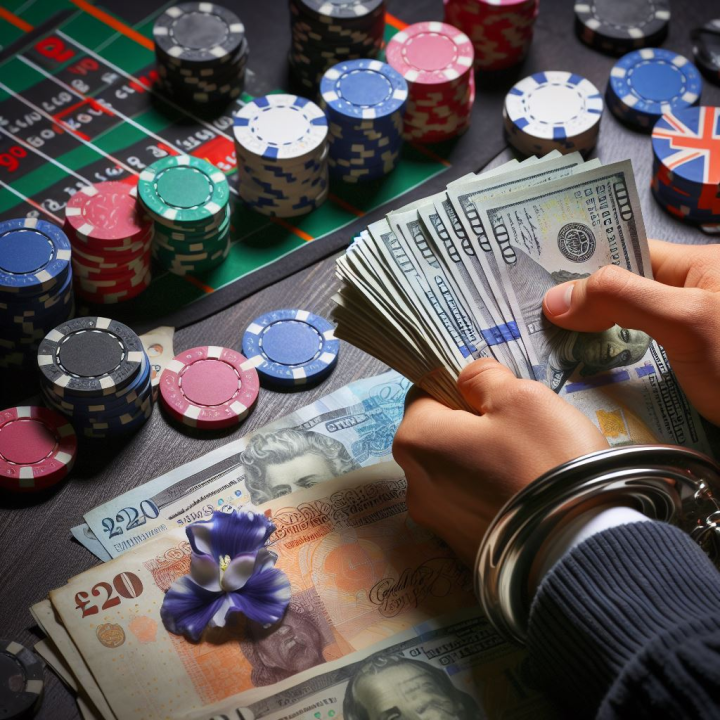
Furthermore, the interplay of luck and probability can lead to cognitive biases among gamblers. The illusion of control, for instance, occurs when players believe they have more influence over the outcome than they realistically do. This misconception can drive continued play and increased risk-taking, as individuals chase their perceived ability to harness luck. Understanding both luck’s role and the mathematical foundations of games can help players cultivate a more realistic perspective, ultimately leading to more measured and responsible gambling practices.
The Impact of Emotions on Gambling Success
Emotions are intricately linked to gambling, often magnifying the effects of luck. The thrill of winning can lead to elevated emotions, resulting in a rush that encourages players to take risks they might otherwise avoid. Conversely, losses can provoke feelings of frustration or defeat, which can cloud judgment and lead to reckless decisions. Recognizing the emotional component of gambling is critical; it dictates how players react to the whims of luck. Managing these emotions can be as crucial as understanding odds and game mechanics.
A common emotional response to luck in gambling is the “gambler’s fallacy,” where individuals believe past outcomes will influence future events. For example, a player may think that since a particular number hasn’t come up in a while, it’s “due” to appear soon. This cognitive bias can lead players to make impulsive decisions based solely on emotion rather than informed strategy. Thus, the psychological aspects of gambling, intertwined with perceived luck, can heavily influence betting behavior and outcomes.
Furthermore, maintaining emotional balance can enhance a player’s ability to ride the ups and downs of fortune. Successful gamblers often cultivate emotional intelligence, allowing them to detach from the outcomes of individual bets while still enjoying the thrill of the game. This level of emotional mastery can help players avoid chasing losses or engaging in destructive gambling behaviors. By understanding the influence of emotions and luck, individuals can navigate their experiences more effectively, leading to improved overall success in gambling.
The Influence of Experience and Skill
While luck certainly plays a significant role in gambling, experience and skill can also make a difference, particularly in games that require strategic thinking. More seasoned players often have a better grasp of when to take risks and when to fold, leveraging their past experiences to make informed decisions. This knowledge can help mitigate the impact of bad luck, allowing them to navigate adverse situations more skillfully. In poker, for instance, skilled players can read their opponents and adjust their strategies accordingly, giving them a better chance to succeed regardless of luck.
Moreover, skill development can influence how players perceive their relationship with luck. A knowledgeable gambler may see a fortunate win as a result of their strategic decisions rather than pure luck. This shift in perspective can help them maintain a healthier mindset about gambling, understanding that while luck can favor them in the short term, consistent success is more reliant on skill and experience. As players invest time in honing their craft, they often find that they can lessen the dependency on luck over time.
Additionally, engaging with experienced players or communities can enhance one’s understanding of the game. Many platforms and forums allow gamblers to share strategies and insights, fostering a culture of learning and growth. Through these interactions, players develop a greater appreciation for the complexities of gambling beyond mere luck, recognizing the importance of patience, practice, and continuous learning. In this way, blending skill with an understanding of luck can pave the way for more sustainable success in the gambling landscape.
Exploring Resources for Gamblers
For those interested in gambling, there are numerous resources available that can enhance both understanding and experience. Websites dedicated to gambling education offer tips, strategies, and insights into the psychological aspects of gambling, helping players make informed decisions. Many of these resources emphasize responsible gambling practices, ensuring that players are aware of their emotional triggers and the influence of luck on their gaming experiences. This knowledge can empower individuals to approach gambling with a healthy mindset.
Additionally, online forums and communities provide platforms for sharing experiences and advice among fellow gamblers. These spaces allow players to discuss strategies, celebrate victories, and commiserate losses in a supportive environment. Engaging with others can diminish the isolation that often accompanies gambling, creating a sense of community and shared learning. Players should seek out these resources to enrich their knowledge and enhance their understanding of how luck interacts with their gambling journey.
Ultimately, the combination of luck, skill, and emotional intelligence can create a comprehensive approach to gambling that promotes both enjoyment and responsibility. By leveraging available resources, players can develop a well-rounded perspective that allows them to appreciate the thrill of gambling while understanding the risks involved. Embracing this balanced viewpoint can lead to a more rewarding experience, whether one is a casual player or a seasoned gambler seeking long-term success.